
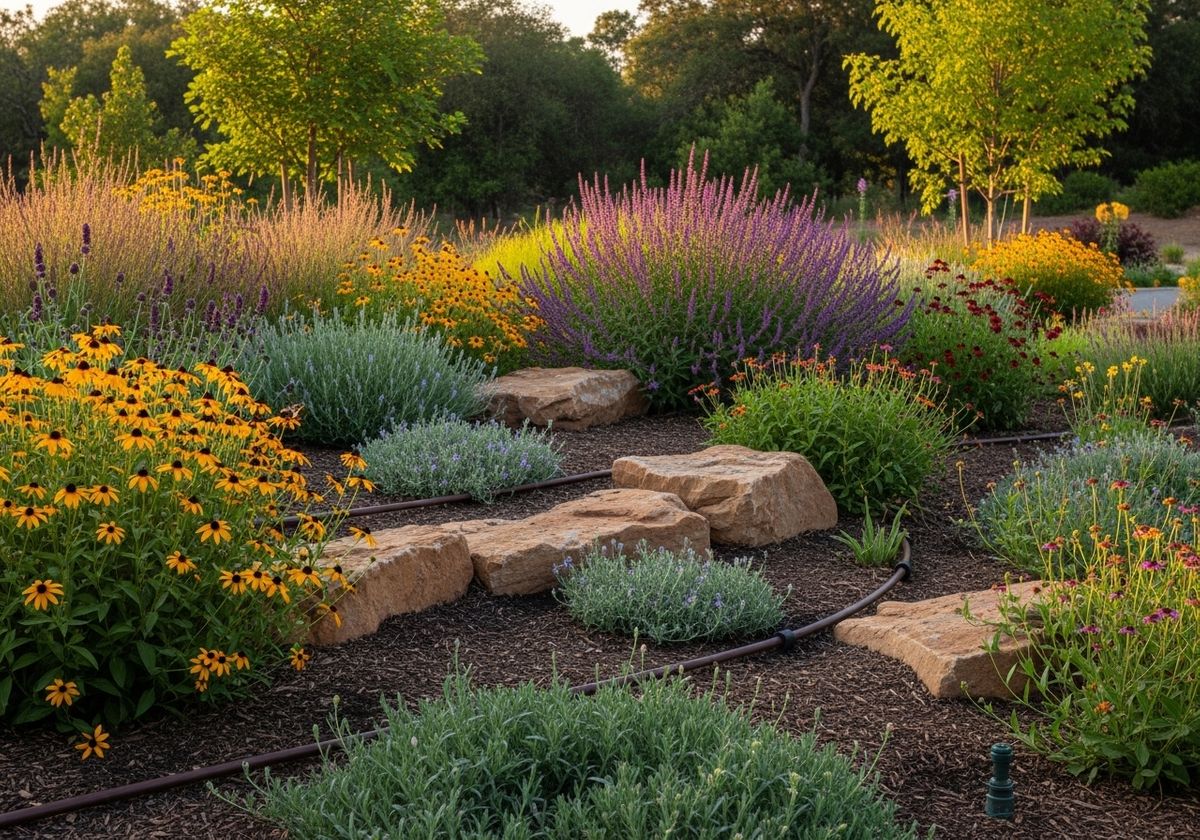
Creating a sustainable landscape is not only beneficial for the environment but also enhances the beauty and longevity of your outdoor space. At José Irrigation & More Management LLC, we believe one of the most effective ways to achieve this is by incorporating native plants. These plants are adapted to the local climate and soil conditions, requiring less water, fertilizer, and pesticides compared to non-native species. Embracing native plants in your landscaping and irrigation design with our team promotes biodiversity and supports local ecosystems, contributing to a healthier planet.
Benefits of Native Plants
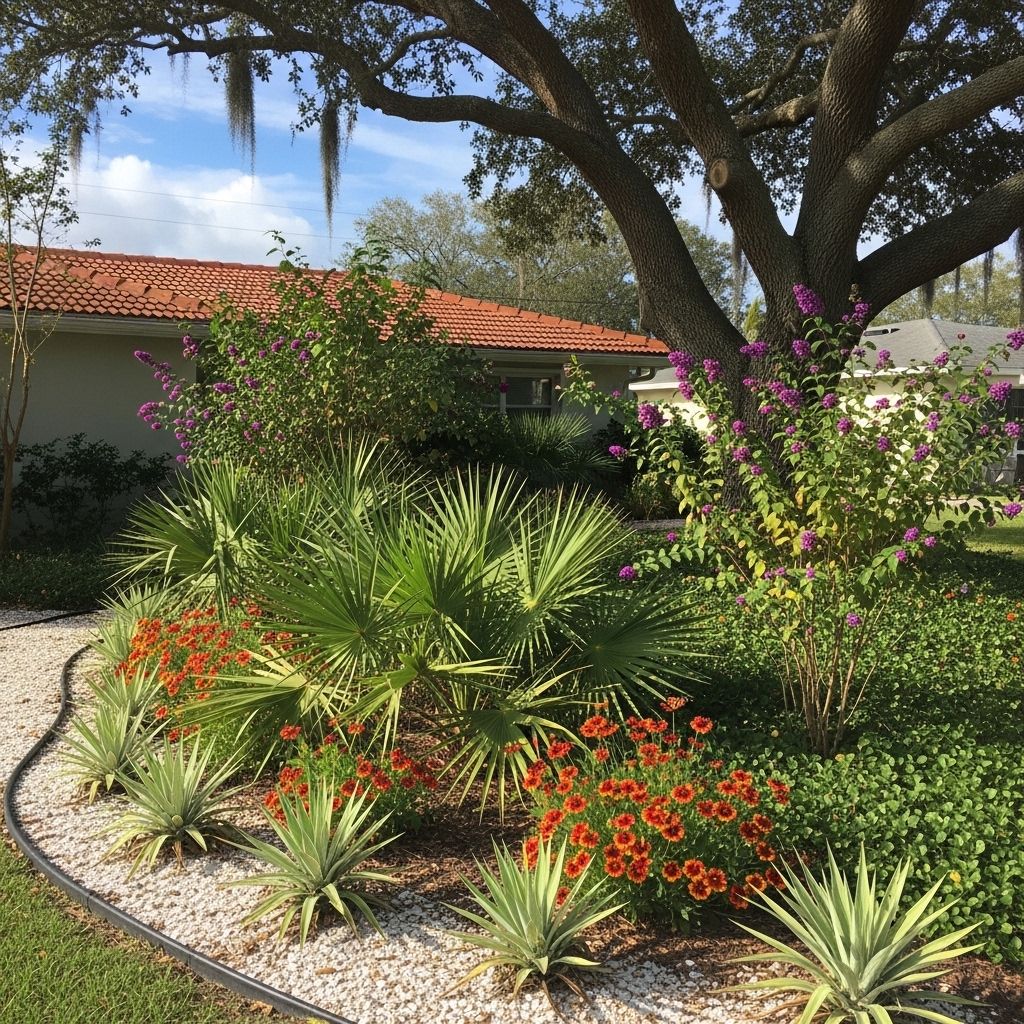
Native plants offer numerous advantages for your landscape. They are naturally suited to the local environment, which means they require less maintenance once established. This reduces the need for frequent watering, making your landscape more drought-tolerant and conserving water. Native plants also have natural resistance to local pests and diseases, minimizing the use of harmful chemicals. By choosing native species, you create a habitat for local wildlife, such as birds, butterflies, and beneficial insects, enhancing the ecological value of your property. Integrating native plants into your landscape design can significantly decrease the demand on water resources, particularly when coupled with efficient irrigation techniques.
Incorporating Native Plants into Your Landscape
When planning your sustainable landscape, start by researching the native plants that thrive in your region. Local nurseries and conservation organizations can provide valuable information and resources. Consider the specific conditions of your site, such as sunlight, soil type, and drainage, when selecting plants. Group plants with similar needs together to create efficient planting zones. For example, drought-tolerant native plants can be grouped in areas with well-drained soil and full sun, while moisture-loving species can be planted in wetter areas. Effective irrigation is crucial for establishing native plants, especially during the first few years. Low-flow drip irrigation systems can deliver water directly to the roots, minimizing water waste and promoting healthy growth. Proper planning and plant selection are key to a thriving, sustainable landscape.
Sustainable Landscaping Practices
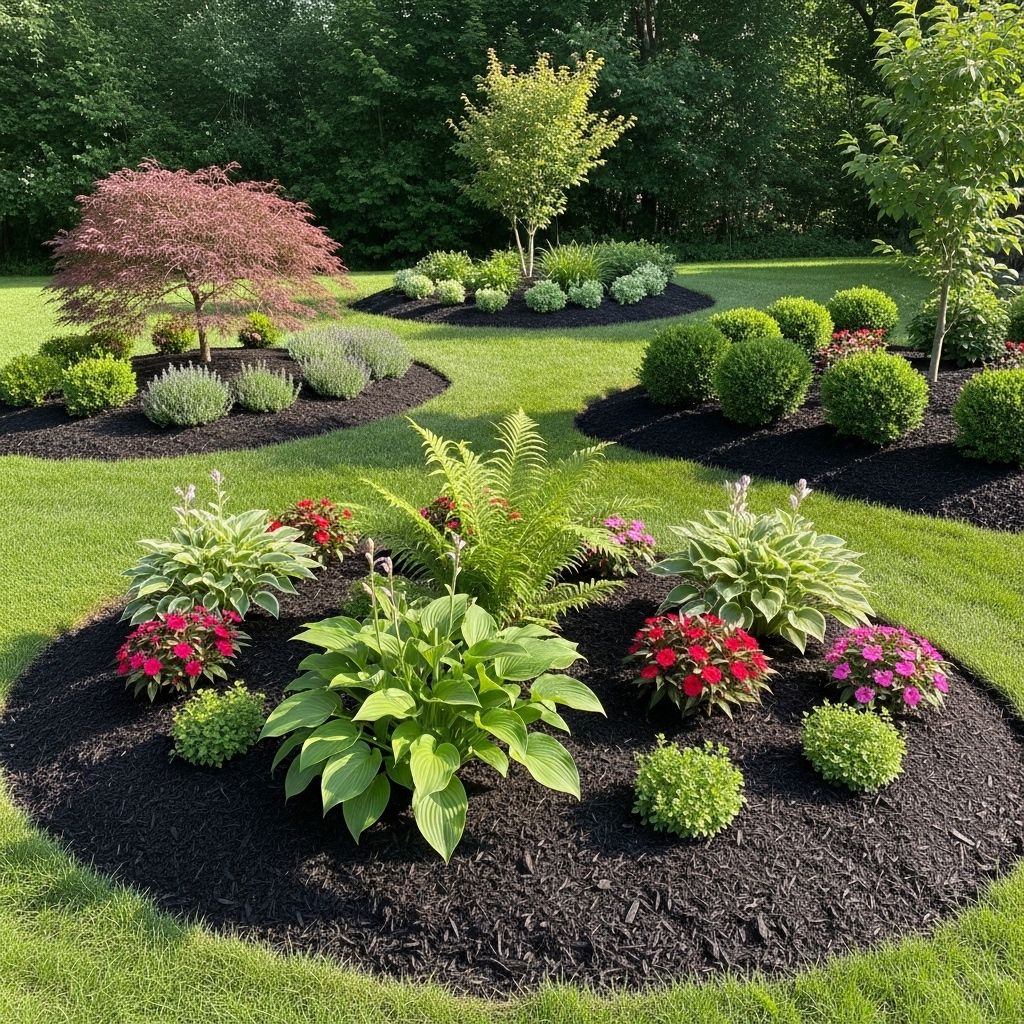
In addition to using native plants, adopt other sustainable landscaping practices to further reduce your environmental impact. Consider reducing the amount of turf grass in your yard and replacing it with native ground covers or mulched planting beds. Turf grass requires frequent mowing, watering, and fertilization, which can be resource-intensive. Implementing efficient irrigation systems, such as drip irrigation or smart controllers, can significantly reduce water consumption. Collect rainwater in barrels or cisterns to use for irrigation, reducing your reliance on municipal water sources. Use organic mulches, such as wood chips or shredded leaves, to suppress weeds, retain moisture, and improve soil health. By integrating these practices into your landscaping routine, you can create a beautiful, sustainable landscape that benefits both the environment and your community.
Creating a sustainable landscape with native plants is a rewarding endeavor that offers numerous benefits. By choosing native species, reducing water consumption, and adopting sustainable practices, you can create a beautiful, environmentally friendly outdoor space. At José Irrigation & More Management LLC, we understand the importance of sustainable landscaping and offer expert services to help you achieve your goals. From efficient irrigation solutions to professional landscaping and sod installation, we are committed to providing honest, high-quality services that you can rely on. Contact us today to learn more about our services and how we can help you create a thriving, sustainable landscape.