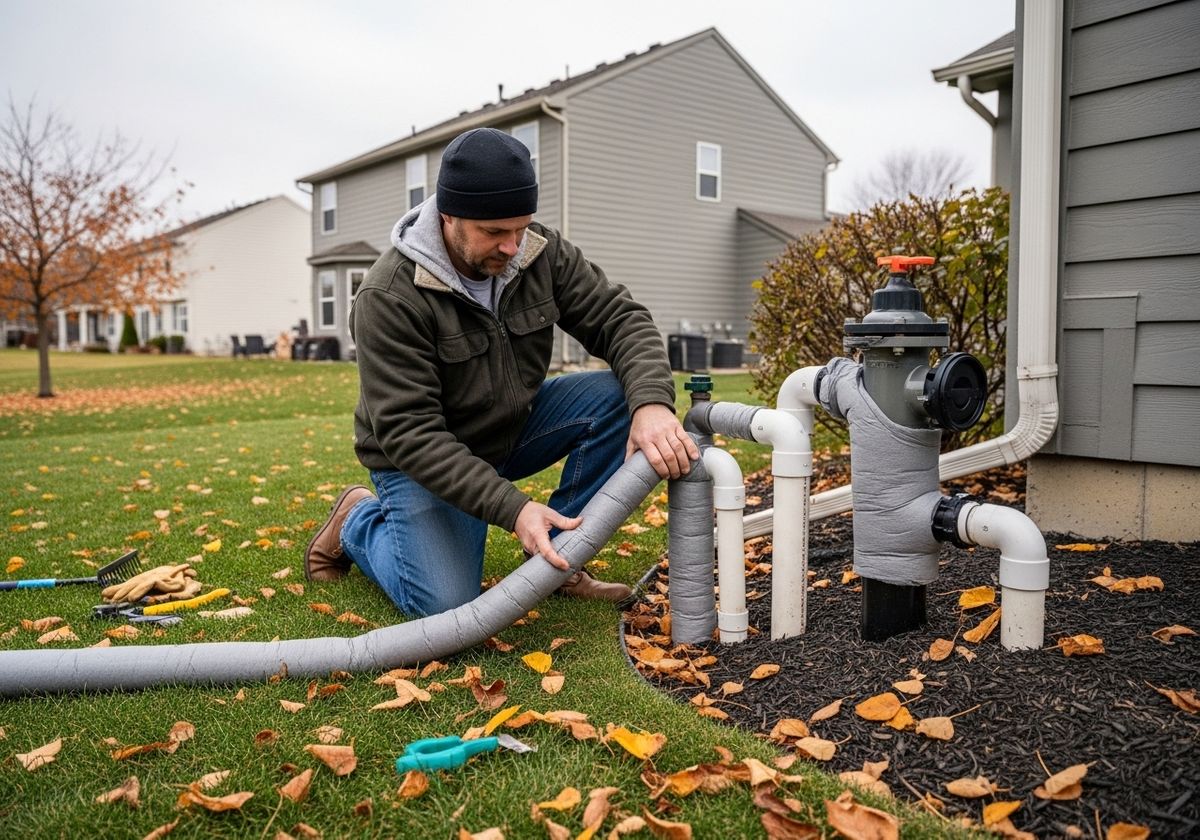
As the days grow shorter and temperatures begin to drop, it's time to start thinking about winterizing your irrigation system with José Irrigation & More Management LLC. Proper preparation is essential to prevent costly damage from freezing temperatures and ensure your system is ready to go when spring arrives. Ignoring this critical step can lead to cracked pipes, broken sprinkler heads, and other issues that can be expensive to repair. Here’s a comprehensive guide to help you protect your investment and maintain a healthy, vibrant landscape for years to come.
Turn Off the Water Supply
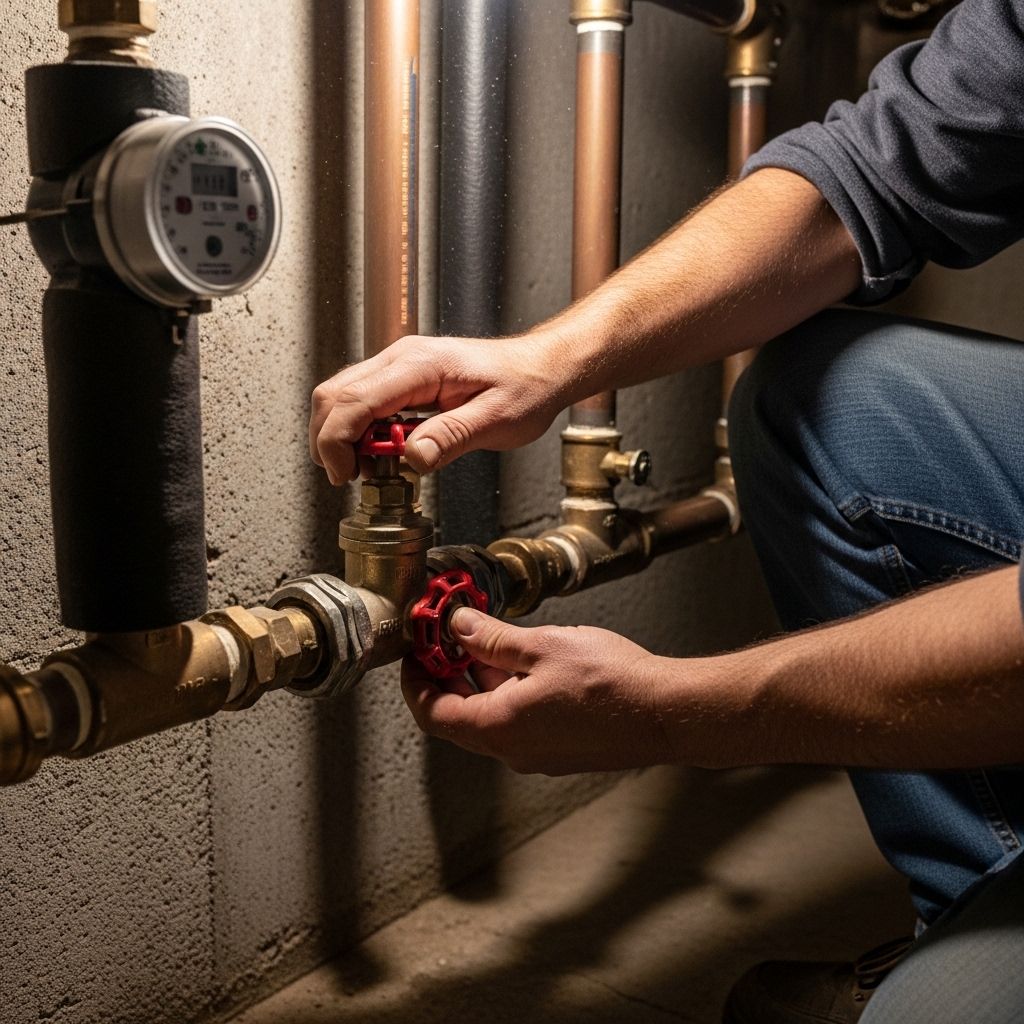
The first and most crucial step is to shut off the water supply to your irrigation system. Locate the main shut-off valve, typically found in a utility room, basement, or near your water meter. Once you've found it, turn the valve clockwise until it's completely closed. This will prevent any additional water from entering the system, reducing the risk of freezing and subsequent damage.
Drain the System
After shutting off the water supply, the next step is to drain any remaining water from the system. There are three main methods for draining your irrigation system:
Manual Draining: This method involves opening all drain valves located at the end of each irrigation line. Gravity will help remove the water. Ensure all valves are left open throughout the winter to allow for any residual water to escape.
Blow-Out Method: Using an air compressor, you can blow out any remaining water through the sprinkler heads. This method requires caution to avoid damaging the pipes. It’s best to hire a professional if you're not comfortable with this process.
Automatic Draining: Some systems have automatic drain valves that open when the water pressure drops below a certain level. Check these valves to ensure they are functioning correctly.
Insulate Above-Ground Components
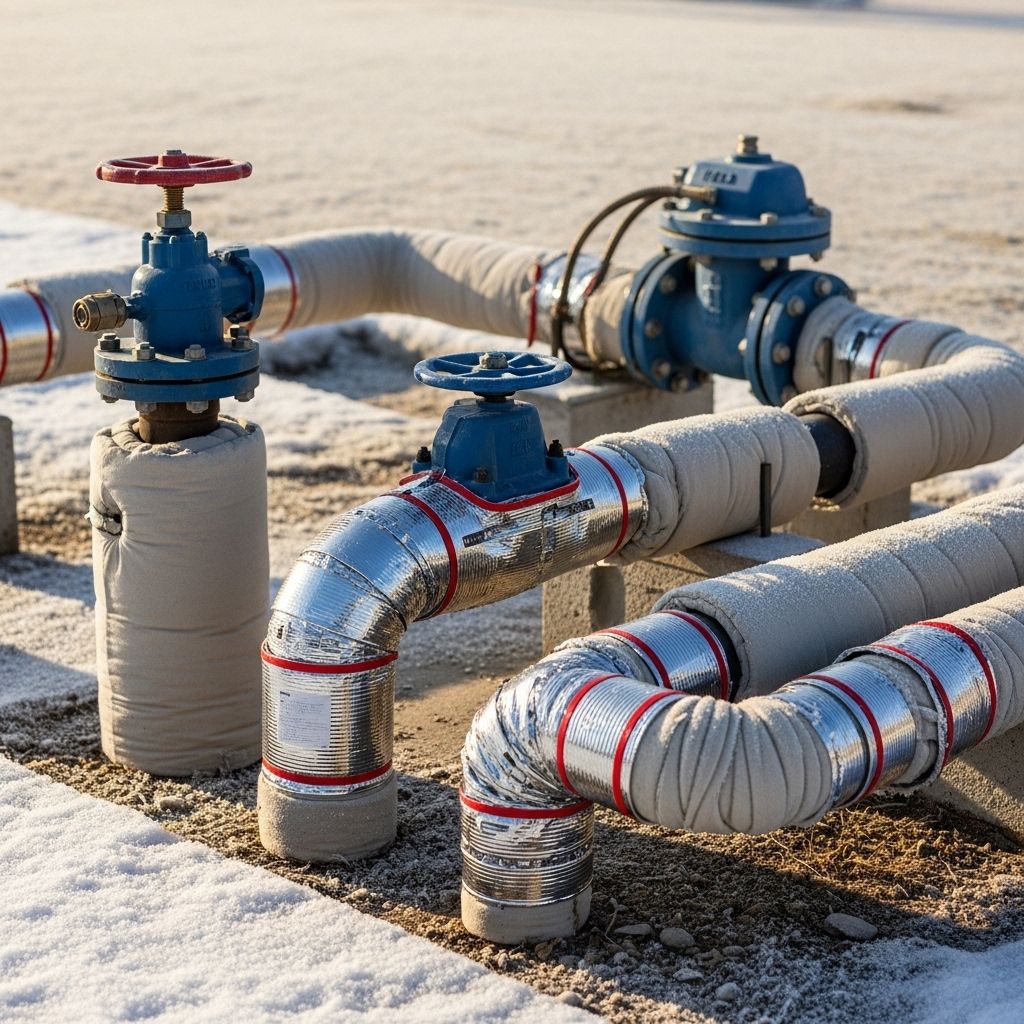
Any above-ground components, such as backflow preventers and exposed pipes, should be insulated to protect them from freezing. Use insulation sleeves or heat tape to wrap these parts, providing an extra layer of defense against the cold. This is particularly important for components that are more susceptible to freezing and cracking.
Protect the Controller
The irrigation controller is the brain of your system, so it's essential to protect it from the elements. If your controller is located in an unheated garage or shed, consider wrapping it in a plastic bag or removing it altogether and storing it in a warmer location. This will help prevent any moisture or cold-related damage.
Prepare Your Landscaping
While you're winterizing your irrigation system, take the time to prepare your landscaping for the colder months. Remove any debris, such as leaves and branches, that could trap moisture and promote fungal growth. Consider applying a layer of mulch to protect plant roots from freezing temperatures. This is also a good time to evaluate your landscape and plan for any spring improvements, such as sod installation or low-voltage lighting.
Preparing your irrigation system for winter is a crucial step in maintaining a healthy and vibrant landscape. At José Irrigation & More Management LLC, we understand the importance of reliable and efficient irrigation systems. Contact us today to learn more about our comprehensive landscaping and irrigation services and how we can help you protect your investment and keep your landscape thriving. We’re here to provide honest, high-quality service you can truly rely on, ensuring every project is handled with attention to detail and personal care.